
How to Choose the Right Hot Water System in North Brisbane
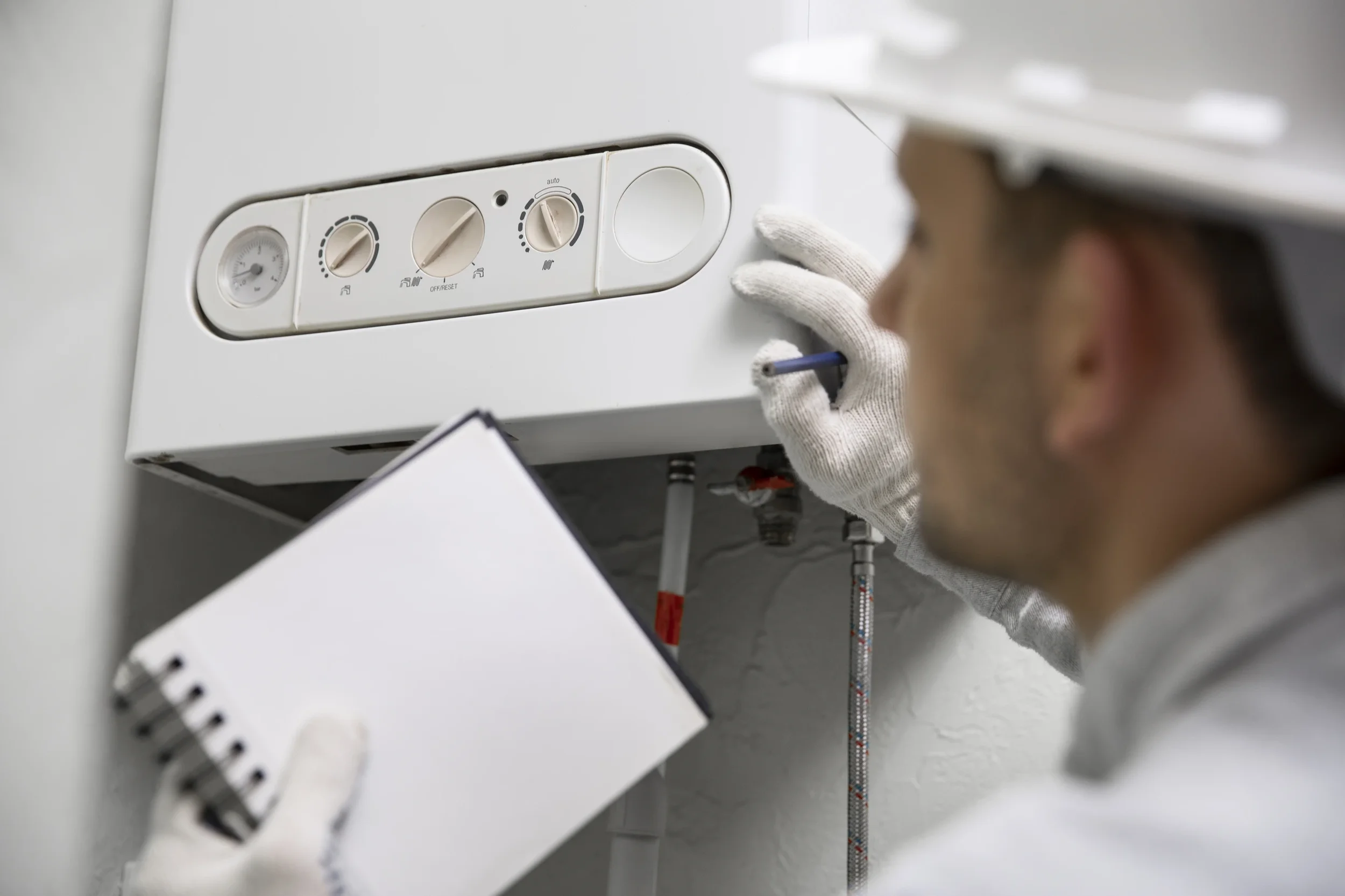
Moving into a new home or replacing an ageing hot water system often feels straightforward until you realise how many options are available. One household may need endless hot showers before work, while another wants lower energy bills or a system that works well with rooftop solar. Choosing the right Hot Water System for your home's size, lifestyle and energy needs can help reduce running costs, improve efficiency and minimise unexpected repairs in the future.
North Brisbane's mix of elevated Queenslanders, brick family homes and modern estates means there is no one-size-fits-all solution. A system that performs perfectly in a newly built home at North Lakes may not be the best choice for an older property in Stafford or Kedron, where ageing pipework or limited installation space can influence performance. Add humid summers, heavy afternoon storms and rising energy costs into the equation, and choosing wisely becomes even more important.
The right choice is rarely about buying the most expensive model. Instead, it comes down to balancing household size, property layout, energy source, budget and long-term plans. Understanding these factors before making a decision helps you enjoy reliable hot water while avoiding costly surprises down the track.
Hot Water System Selection Guide
No two households use hot water in quite the same way, so choosing the right solution starts with understanding how your household uses water throughout the day. A couple living in a townhouse may have very different needs from a family of five in a renovated Queenslander. Rather than comparing brands alone, think about how your daily routine fits with each option before investing in a hot water system.
Here are the biggest factors worth considering before settling on a particular model.
Household size: Larger families usually benefit from greater storage capacity or faster recovery rates.
Peak usage times: Consider whether several people shower within a short morning window.
Available energy source: Gas, electricity and solar compatibility all influence running costs.
Installation space: Some homes have limited outdoor areas, while others easily accommodate larger units.
Future lifestyle changes: Renovations, growing families or rental plans may increase hot water demand.
Walk through North Brisbane and you'll quickly notice how much housing varies between suburbs. Those differences influence everything from installation access to the type of system that delivers the best long-term performance. A tailored decision usually delivers better comfort, improved efficiency and fewer unexpected maintenance issues.
Which Heating Option Fits Your Home?
Many North Brisbane homeowners continue to consider gas hot water systems because they provide quick heating and consistent performance during busy mornings. They are particularly useful for households where several people need hot water one after another, reducing the chance of running out before everyone gets ready.
The comparison below highlights where each common option generally performs best before selecting a hot water system.
| Household Need | Recommended Hot Water System | Why It Works Best |
|---|---|---|
| 1–2 people in a unit or townhouse | Electric storage | Lower upfront cost and suitable for modest daily water usage. |
| Family of 3–5 | Continuous flow gas | Delivers a steady supply of hot water during busy morning routines. |
| Large household with multiple bathrooms | Storage gas | Provides greater hot water capacity for higher daily demand. |
| Home with rooftop solar | Heat pump or solar | Helps reduce electricity costs by making better use of renewable energy. |
| Older North Brisbane home | System recommended after plumbing assessment | Existing pipework and installation space may influence the most suitable option. |
Gas systems also suit homes where reliable water pressure is important. Because they heat water on demand or recover quickly, they are popular among families with active morning routines.
However, they are not always the perfect fit. Availability of a gas connection, installation costs and household energy goals should all influence the final decision. Some homeowners aiming to reduce carbon emissions may prefer alternatives that integrate with renewable energy.
Know Hot Water Repairs
Most homeowners don't think about maintenance until something goes wrong. A sudden cold shower before work or inconsistent water temperatures usually become the first signs that attention is needed. Acting early often prevents larger plumbing issues and helps extend the life of your hot water system.
While some problems indicate the unit is nearing the end of its lifespan, others are relatively minor and can often be fixed without replacing the entire setup.
Common situations where hot water repairs may be the better option include:
Water taking longer than usual to heat.
Small leaks around valves or pipe connections.
Pilot light or ignition issues in gas units.
Thermostat or heating element faults.
Temporary pressure fluctuations after storms.
A professional inspection provides a clearer picture of whether repairing the existing unit remains cost-effective or whether replacement would offer better value over the years.
Plan Smart Hot Water Replacement
Replacing an ageing unit isn't only about fixing today's problem. It is also an opportunity to improve efficiency, lower running costs and prepare your home for the changes that may come over the next few years. If your hot water system is more than 10–15 years old, requires frequent repairs or struggles to keep up with daily demand, replacement often becomes the smarter long-term investment.
Before choosing a new unit, consider more than the purchase price.
Check whether your household size has changed since the previous installation.
Think about planned renovations, additional bathrooms or family growth.
Compare long-term energy costs instead of focusing only on upfront expenses.
Consider whether rooftop solar or other energy upgrades are planned.
Ask whether your existing plumbing layout supports newer technology.
Timing also matters. Waiting until a complete breakdown often means making a rushed decision, especially during busy plumbing periods after major storms or colder winter mornings. Planning gives you more time to compare options that genuinely suit your home.
Homes in newer communities such as Mango Hill and North Lakes often have plumbing layouts designed for energy-efficient appliances. At the same time, older suburbs may require additional assessment before upgrading to a different system.
If you're planning to sell in the next few years, installing an efficient, professionally fitted system can also give buyers greater confidence that one of the home's major services has already been upgraded.
Prepare For Hot Water Installs
A quality installation influences performance just as much as the equipment itself. Even the most efficient unit can underperform if it is installed without considering pipework, water pressure or property layout. That is why every hot water system should be matched carefully to the home's existing infrastructure.
Installation quality becomes even more important in older suburbs where pipework may have been upgraded several times over the years. Taking the time to assess water pressure, existing connections and available space helps avoid unexpected adjustments once the installation begins.
North Brisbane offers a diverse mix of homes, from elevated Queenslanders with ageing plumbing to newly built estates designed around energy-efficient living. Each property presents different installation requirements, making professional planning an essential part of the process.
During modern hot water installs, experienced plumbers typically assess:
Available installation space.
Existing plumbing condition.
Water pressure throughout the property.
Household usage patterns.
Future maintenance accessibility.
Current lifestyle trends are also changing installation choices. More homeowners are investing in energy-efficient appliances, electric vehicles and rooftop solar, creating greater interest in systems that reduce ongoing household expenses. Choosing equipment that can adapt to these upgrades helps protect your investment over the coming years.
Professional installation also helps ensure your hot water system complies with the National Construction Code (NCC), the Plumbing Code of Australia (PCA) and applicable Australian plumbing regulations, giving homeowners greater confidence in its safety and performance.
Lifestyle expectations have also changed. Many people now expect reliable hot water throughout the day as they work from home, exercise at different hours or use multiple bathrooms more frequently. Choosing a system that supports these changing routines helps deliver greater comfort well into the future.
Conclusion
The best hot water system is the one that suits the way your household lives today while remaining practical for tomorrow. By considering your property's layout, North Brisbane's climate, plans and everyday water usage, you can invest in a solution that delivers reliable performance without unnecessary running costs or frequent maintenance.
If you're planning a new installation, considering an upgrade or need expert advice, contact PODS Plumbing & Gas today. Our experienced team can help you choose, install or replace the right solution for your North Brisbane home with professional service and practical recommendations.
Frequently Asked Questions
How do I know which hot water system is best for my home?
Choosing the right hot water system starts with understanding your household size, daily water usage, available energy source, property layout, and plans. A professional assessment helps you select an option that suits your home rather than simply following the most popular choice.
When should I choose hot water repairs instead of replacing the unit?
If your current hot water system has only minor faults, is relatively modern and has been serviced regularly, repairs are usually worthwhile. However, frequent breakdowns or rising repair costs often indicate that replacement is the more practical long-term solution.
Are gas hot water systems suitable for homes in North Brisbane?
Yes. Many North Brisbane households choose gas models because a hot water system powered by gas heats water quickly and performs well during busy mornings. It is particularly suitable for larger families with higher daily demand.
How long does a typical hot water installation take?
Installing a new hot water system usually takes one day. However, older North Brisbane homes may require additional plumbing upgrades or pipe modifications, which can extend the installation time. Your plumber can confirm the expected timeframe after an inspection.
What should I consider before a hot water replacement?
Before replacing your hot water system, consider more than the purchase price. Household size, future renovations, energy efficiency, running costs, and available installation space all influence which option delivers the best long-term value.